Trump’s SFR Buying Ban Threat: What Changes Now
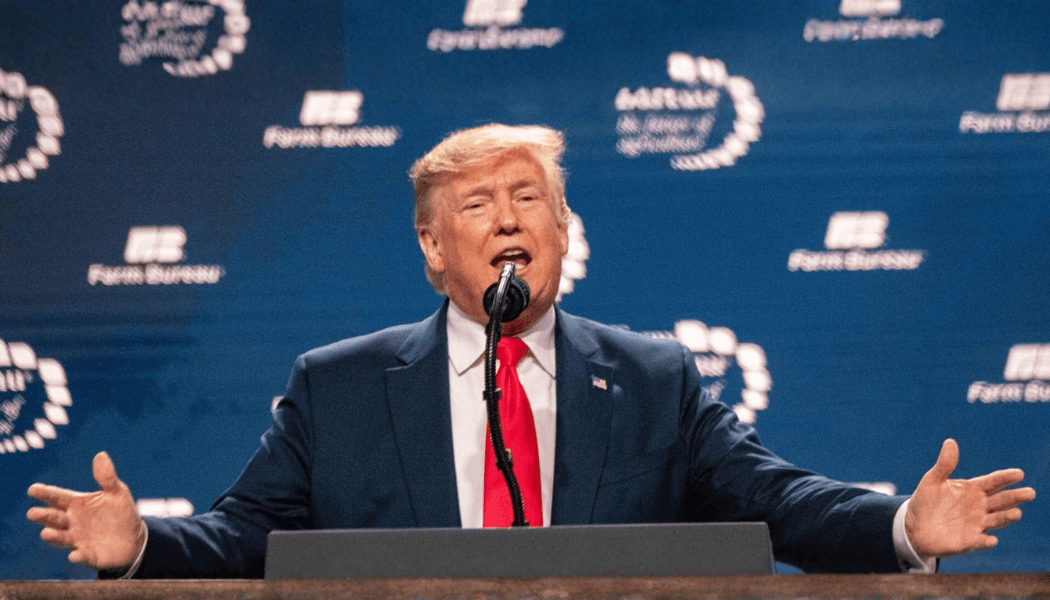
On January 7, 2026, President Donald Trump said the U.S. would move to ban “large institutional investors” from buying more single-family homes, and that he’d ask Congress to codify it. He framed it as an affordability move and said more detail is coming, possibly at Davos and the State of the Union (Jan. 24).
That one post was enough to spook the market.
Within hours, shares of major single-family rental (SFR) players and related firms sold off. Multifamily Dive cited Invitation Homes down about 6%, with Blackstone and Apollo down more than 5% after the announcement.
Why the reaction was so sharp
Because the SFR growth engine is simple: keep buying homes, then run them efficiently at scale.
Analysts read Trump’s message as a direct shot at that model. Mizuho called it a “clear risk” to SFR business models and growth prospects, even while noting the legality and timeline are uncertain.
JPMorgan added a key nuance: big institutions likely own less than 10% of the country’s roughly 14 million SFRs, which are still dominated by “mom and pop” owners. Still, JPMorgan’s point was blunt: if a restrictive ban landed, portfolio growth would be “off the table,” and that is what stocks were pricing in.
So this is not just politics. It is uncertainty around the core strategy.
The real market impact is “freeze,” not “ban”
Even if the policy never becomes law, the announcement alone may create a near-term chill:
Deal pipelines slow while everyone waits to see what “large institutional” actually means.
Cost of capital goes up when investors smell regulatory risk.
Build-to-rent and development structures get re-examined, because the proposal raised questions about whether growth via development is treated differently than acquisitions.
Courts become part of the forecast, because analysts are already anticipating legal challenges.
In other words: the headline itself can change behavior, even before a single rule is written.
What experienced owners should do right now
If you own at scale, you already know this pattern. When growth gets noisy, operational execution becomes the lever you control.
1) Assume acquisitions may get harder, and squeeze the portfolio you have
If buying slows, your best “new doors” are often hiding inside your current portfolio:
faster leasing velocity
fewer vacant days
fewer missed leads after-hours
cleaner renewals
tighter collections follow-through
This is the moment to treat response time as a financial metric, not a nice-to-have.
2) Tighten prospect handling like it’s peak season
A lot of portfolios still run prospect comms like it’s 2016. Calls roll to voicemail, web leads sit, and SMS follow-up depends on who is working.
In a more uncertain market, that is expensive.
A concrete workflow that tends to move the needle:
New lead comes in (call, web chat, SMS).
They get an immediate answer to the basics (availability, pricing range, pet policy, requirements).
A showing is offered based on availability.
If they do not book, they get a follow-up text later that day.
If they engage but get stuck, it escalates to a human with full context.
This is exactly where teams use tools like Domos: to keep coverage consistent across phone, SMS, email, and chat, so follow-up does not depend on who is on shift.
3) Treat collections and resident support as brand risk
This proposal is wrapped in a cultural message: “homes for people, not corporations.”
That makes resident experience more visible. Inconsistent answers, after-hours gaps, and ad-hoc collections outreach turn into reputational risk, not just ops friction.
Bottom line
Trump’s announcement may or may not become enforceable policy. The market’s reaction tells you what matters: it injected uncertainty into the SFR growth model.
Your counter-move is not a press release. It’s execution.
Improve responsiveness. Standardize follow-up. Reduce service gaps. Protect NOI.
Because in a choppy market, “operational advantage” stops being a slogan and starts being the difference between holding steady and falling behind.
Want to see how tighter ops can protect NOI?